


We provide smart technology for homes and commercial spaces, ensuring transparent processes and optimal resource management.
FLOOR INSULATION · HERITAGE RETROFIT · LIMECRETE SUB-BASE · ENERPHIT
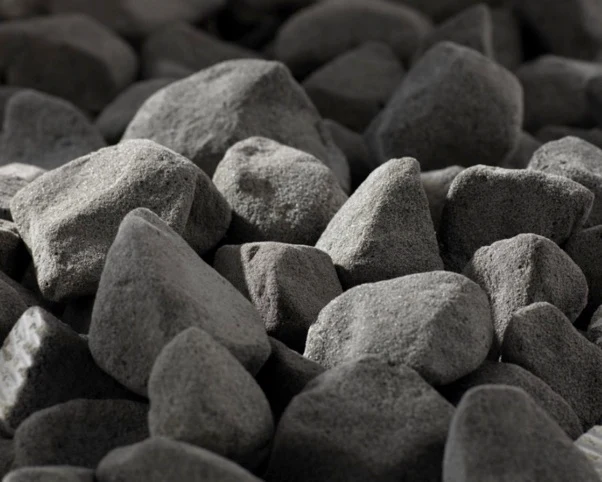
Recycled foam glass loose-fill — the heritage retrofit floor insulation. Poured under limecrete. Breathable, A1, structural, 100% recycled.
Poured loose-fill fills any floor shape
Heritage retrofit · Irregular sub-base
Limecrete-compatible · the heritage default
Direct pour · No membrane needed
Vapour-open μ ≈ 1 · the floor breathes outward
No interstitial damp risk
A1 non-combustible — pure mineral glass
Same fire class as limecrete and slab
Hydrophobic — doesn't absorb water
λ unchanged after immersion
Structural at 0.6 MPa
Limecrete and screed pour directly on top
100% recycled bottle & flat glass
EPD-published · BREEAM-compatible
Made by Glapor in Germany since 1985 · foam glass aggregate pioneer
Glapor is recycled bottle and flat glass, crushed and foamed at ~900°C with a small amount of carbon as the foaming agent. The carbon oxidises in the molten glass, releasing CO₂ bubbles that aerate the mass. The result is rigid mineral glass foam — supplied as loose aggregate in 10/60 mm or 20/40 mm grain sizes, poured into the floor cavity straight from the bag or tipper.
After pouring, the aggregate is plate-compacted to the design density. The grains lock together mechanically; the compacted layer achieves 0.6 MPa compressive strength — enough to carry a limecrete pour, a concrete screed, or an underfloor heating screed directly on top. No separation membrane, no concrete capping layer needed between Glapor and the finish.
The defining heritage retrofit use case. Glapor sits in the floor build-up where rigid foam (PIR, EPS) would break the vapour-open story of a Victorian or Edwardian solid floor. Limecrete poured directly onto compacted Glapor — no DPM, no plastic membrane interrupting the breathable assembly. The floor stays as breathable as the lime mortar walls.
Glass is naturally hydrophobic; foaming preserves the property in the aggregate form. Water entering the layer (rising damp from below, surface flooding during a leak event) drains through the void network rather than absorbing into the grain. λ stays unchanged after water exposure. Particularly relevant in heritage retrofit where ground-water exposure is part of normal service.
μ ≈ 1 — the layer offers effectively no resistance to water vapour movement. Moisture from the heated room above moves downward through the limecrete, through the Glapor void network, and exits at ground level. No interstitial condensation risk; the assembly stays self-drying. This is what breathable means in a real floor build-up.
The feedstock is 100% post-consumer recycled glass — bottles, jars, flat glass cullet diverted from landfill. The product itself is also recyclable; foam glass disposes with construction rubble at end of life, no hazardous-waste route. Germany has a closed-loop glass recycling stream that Glapor's manufacturing programme is built on; CleverBloom imports through the European supply chain.
1 · Existing floor lifted
Original solid floor lifted — Victorian flagstones salvaged for re-use where the brief allows, original quarry tiles photographed and catalogued, existing concrete slab broken out. Sub-base soil exposed and assessed: moisture content, level, presence of voids or settlement. Depth to dig out is the first practical question on every heritage floor scope.
2 · Sub-base prepared
Sub-base levelled to the target depth — typically 300–400 mm below finished floor level depending on the depth of build-up specified. Compacted with a plate compactor. Geotextile fabric laid over the prepared sub-base to prevent fines migrating up into the Glapor void network over decades.
3 · Glapor poured
Aggregate delivered in bulk bags or tipper trucks depending on site access. Poured into the floor cavity to the target depth — typically 200–300 mm before compaction. Levelled with a rake to maintain consistent depth across the footprint. Sloped where the project specification requires drainage falls (rare in floors; more common in roof terrace sub-bases).
4 · Plate-compacted
Walked over with a plate compactor to lock the grains together mechanically. Compaction reduces the loose-fill depth by ~10% to the design compacted depth — the spec is given as compacted thickness, not as-poured. The compacted layer achieves 0.6 MPa compressive strength, structurally rated to carry limecrete or screed directly above.
5 · Limecrete poured direct
Limecrete poured directly onto the compacted Glapor — no membrane, no separation layer. Typical limecrete depth 75–100 mm, mixed on site with NHL5 hydraulic lime and a graded aggregate per the heritage spec. Cured over 5–7 days under controlled humidity before any finishes are laid.
6 · Finish floor laid
Heritage-appropriate finish on top of the cured limecrete — solid oak floorboards, salvaged Victorian flagstones, original quarry tiles relaid, or new natural finish. The finished floor sits at the same level as the original (or slightly higher) depending on the build-up depth versus the original floor level.
100% recycled post-consumer glass
Crushed bottle glass, container glass, and flat glass cullet — diverted from landfill or low-grade aggregate streams. Each m³ of Glapor incorporates ~150 kg of recycled glass content. EPD-published; specifiable into BREEAM and LEED.
Foamed at ~900°C
Crushed glass mixed with a small amount of carbon, melted in a tunnel furnace at ~900°C. The carbon oxidises in the molten glass, releasing CO₂ that creates the closed-cell foam structure. The cells are sealed inside each grain; the voids between grains form the drainage network when the aggregate is poured loose.
Two grain sizes for two scopes
Glapor 10/60 (10–60 mm) is the standard heritage floor size — fine enough to compact uniformly, coarse enough to drain freely. Glapor 20/40 is the deeper-fill size for larger sub-base scopes (frost protection, deep void fills, terrace base layers). Same chemistry, different grading.
Hydrophobic chemistry
Glass is naturally hydrophobic; the foamed structure preserves this. Water entering the layer drains through the void network between grains rather than absorbing into the grain itself. The bulk material's λ value is unchanged after immersion — important for floor applications below DPM level.
Fire: A1 non-combustible
Pure mineral glass, non-combustible Euroclass A1 — the highest non-combustibility class available. No organic content, no flame retardant chemistry. Suitable for any building height, any application context. Matches the limecrete chemistry above and below it in the floor build-up.
Made in Germany by Glapor
Glapor Werk Mitterteich GmbH — manufactured at the Mitterteich facility in Bavaria, Germany, since 1985. The foam glass aggregate pioneer in Europe; reference installations across the Austrian and German Passivhaus heritage retrofit programmes.
100+ year design life
Glass-based mineral aggregates have geological-timescale stability. Properly installed Glapor remains in service for the life of the building. No degradation under static load, no microbial attack possible, no chemistry change in service.
No annual service required
No moving part, no electrical component, no consumable. The aggregate sits compacted under the limecrete for the life of the building. Standard limecrete inspection cadence applies — visual review every 10–15 years for crack pattern on the finished floor; remediation of the limecrete layer (rare) doesn't disturb the Glapor below.
Doesn't lose performance when wet
Glapor is unique among loose-fill insulation materials in having zero water absorption — water passes through the grain void network rather than absorbing into the grains. Saturation events (flooded site, rising-damp episode, leak from above) don't degrade the λ value or compressive strength. The aggregate self-drains as the water source clears.
Geotextile separation layer
The geotextile fabric between the sub-base soil and the Glapor stops fines migrating up into the void network over decades. Skipping this layer to save £200 on the scope leads to gradual void infill over 30–50 years and a measurable degradation in drainage performance. CleverBloom installs geotextile on every Glapor floor scope as standard — included in pricing.
Limecrete cure time
Limecrete cures slowly — typical 5–7 day initial cure under controlled humidity, 28 days to design strength. Walking on the slab before initial cure compromises the limecrete; loading with heavy furniture or fittings before full cure risks cracking. We programme the cure window into every project schedule and communicate it clearly to the main contractor and the homeowner.
Foamglas Perinsul at the plinth
For a properly closed thermal envelope, the floor insulation needs to meet the wall insulation at the perimeter. Foamglas Perinsul HL (already in CleverBloom's range) handles the structural thermal break where the floor meets the wall plate — same chemistry family as Glapor, same brand, integrated detail at the slab-edge junction.
POA
10 m³ aggregate delivered to mainland UK site · install handled by your contractor
POA
40 m² Victorian solid floor retrofit · 250 mm Glapor + 100 mm limecrete + finish prep · existing floor lifted & disposed


_11zon%20(1).webp)
Call us at 07526 985258
or leave your contact information below,
and we'll get back to you soon.
We provide smart technology for homes and commercial spaces, ensuring transparent processes and optimal resource management.
Working hours: Mon - Sun. 8am - 8pm
Proudly serving the entire UK!
© 2026 Clever Bloom — All rights reserved
Company registered in England and Wales / Company number: 14242566.